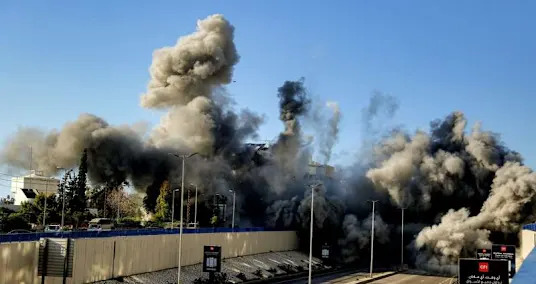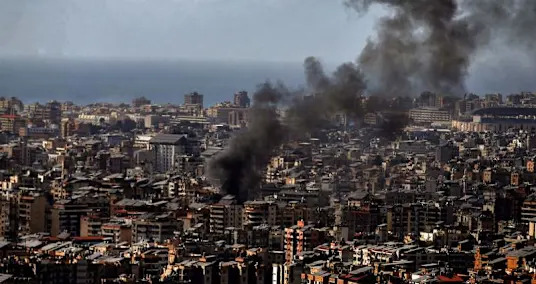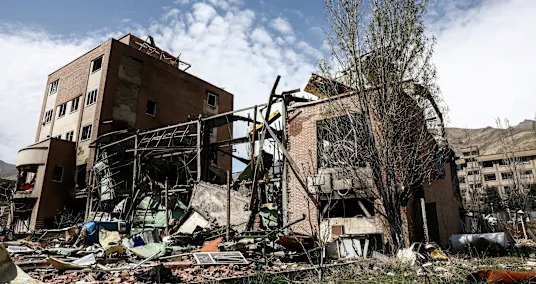
In Tehran, a city of nine million people, schools are closed, businesses are shuttered or struggling, and locals are living without a functioning air-raid warning system or public shelters. In many areas, the first sign of an incoming strike is the explosion itself.
There have been twice as many US and Israeli attacks on Iran compared to the number of Iranian retaliatory strikes since the war began — and the numbers killed in Iran have been orders of magnitude greater than in the neighboring Gulf states. A nationwide internet blackout, now entering its second month, has left civilians unable to access information about safety, shelter, and food and has meant some are unable to work. But while millions have fled Iran’s cities, many more are staying where they are. Some residents are hoping the US and Israeli bombs will cause the regime to collapse; others are left wondering if they are at risk if their neighbors are targeted.
For the many Iranians with ties to Dubai, there are other pressures, with Iranian nationals now barred from entering or transiting through the UAE. Residency permits, even for those with long-term Golden Visas, are reportedly being revoked without notice.




 Innospace's rocket crashes in first commercial launch in Brazil; shares tumble
- Israeli strikes on Beirut, as Hezbollah and Iran attack Israel
- At least 7 dead as Israel renews attacks on Beirut and across Lebanon
- South Korea launches Earth-observation satellite on homegrown Nuri rocket
- This Unique National Park In Canada Is Famous For Its Otherworldly Limestone Monoliths
- December's overlooked meteor shower peaks next week — will the Ursids surprise us?
- Going with Children: Tips for Tranquil Family Get-aways
- Figure out how to Separate Among Fledgling and Master Fender bender Legal counselors
- Focus on Yourself: Wellbeing and Taking care of oneself Practices